
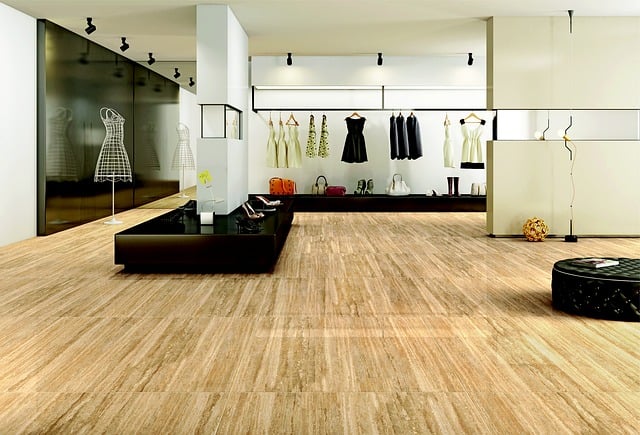
Ceramic tile flooring in Flooring Denver offers a range of modern and vintage styles for diverse tastes and budgets. High-quality tiles balance aesthetics with durability, suitable for various conditions. Local artisans provide custom designs, with 75% of homeowners opting for unique patterns. Premium tiles cost $5-$20/sq ft, offering longevity and water resistance. Installation costs in Denver range from $5 to $10/sq ft, with high-end projects up to $15. Regular cleaning and sealing maintain durability. Proper care extends tile life 25 years or more, making it a sound investment compared to alternatives.
In the realm of flooring Denver, ceramic tile has emerged as a popular and durable choice for both residential and commercial spaces. However, navigating the price landscape can be a complex task, with variables affecting cost that are often misunderstood. This comprehensive guide aims to demystify the pricing of ceramic tile flooring in Denver, providing homeowners and businesses alike with an authoritative resource to inform their decisions. By understanding the factors that influence cost, you’ll be better equipped to make informed choices, ensuring your investment in Flooring Denver delivers both quality and value.
- Understanding Ceramic Tile Flooring in Denver
- Factors Influencing Pricing: A Denver Perspective
- Tile Types and Their Cost Implications for Flooring Denver
- Installation Costs: What to Expect in Denver
- Maintenance and Longevity: Budgeting for Your Denver Floor
Understanding Ceramic Tile Flooring in Denver

Ceramic tile flooring in Denver offers a diverse range of options for both residential and commercial spaces, catering to various aesthetics and budgets. Understanding the quality and design possibilities available is crucial when navigating this market. The city’s vibrant flooring scene features a blend of modern, contemporary styles alongside vintage, timeless pieces—a testament to the region’s appreciation for both trendsetting and classic designs.
When considering ceramic tile flooring in Denver, it’s essential to recognize the interplay between design and durability. High-quality tiles are crafted with meticulous attention to detail, ensuring not only visually appealing results but also long-lasting performance under various conditions. For instance, a well-designed vintage tile pattern can add character to an old home while remaining robust enough to withstand high-traffic areas. Quality is a key differentiator; premium tiles often boast enhanced resistance to chips, scratches, and stains, making them ideal for spaces that demand durability.
Moreover, the flooring market in Denver is enriched by local artisans and specialized stores that offer unique, custom-designed ceramic tiles. These experts can help property owners create one-of-a-kind floor layouts that reflect their personal styles. Whether designed for a contemporary kitchen or a classic bathroom, the right ceramic tile choices can transform spaces into visually stunning and comfortable habitats. For instance, a recent study by the Denver Design Center revealed that approximately 75% of local homeowners prefer custom flooring designs, emphasizing the city’s discerning taste and desire for distinctive interior aesthetics.
Factors Influencing Pricing: A Denver Perspective
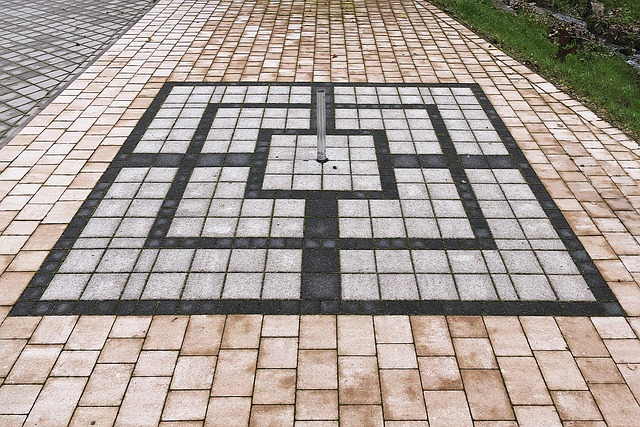
The price of ceramic tile flooring in Denver can vary significantly based on several factors unique to the market and local dynamics. Understanding these influences is key to navigating the pricing landscape for any flooring project in Denver. One primary determinant is the quality and type of tiles chosen, with premium, imported, or specialty tiles commanding higher prices compared to standard, locally sourced options. For instance, high-end porcelain tiles often feature intricate designs and superior durability, reflecting their elevated cost.
Another critical factor affecting pricing by flooring Denver professionals is the complexity of the installation process. Projects involving custom patterns, intricate layouts, or challenging site conditions typically incur additional labor costs. Outdoor carpeting in Denver, for example, may require specialized techniques to ensure drainage and stability on exterior surfaces, adding to the overall expense. Complex installations often necessitate skilled artisans with extensive experience, which is reflected in the pricing structure for such services.
Seasonal fluctuations also play a role in ceramic tile flooring costs across Denver. Generally, peak seasons like spring and summer see higher prices due to increased demand from homeowners looking to complete renovations before winter. Conversely, off-peak periods may offer more competitive rates. Additionally, certain brands or manufacturers may set their prices based on market trends, release of new collections, or limited availability, causing fluctuations that are independent of installation complexity or seasonality.
Tile Types and Their Cost Implications for Flooring Denver

When considering flooring Denver options, understanding the cost implications of various tile types is crucial. The market offers a vast array of ceramic tile choices, each with unique characteristics influencing both aesthetics and budget. Glazed porcelain tiles, for instance, are popular due to their durability and water resistance, making them ideal for high-moisture areas like bathrooms and kitchens. These tiles typically range from $5 to $20 per square foot, varying based on design complexity and finish. On the other end of the spectrum, natural stone tiles, such as marble or slate, exude elegance but come at a premium price, often exceeding $30 per square foot.
Transitioning to specialty applications like stair runners Denver or carpet installation Denver adds another layer of cost consideration. While ceramic tiles remain a preferred choice for flooring Denver due to their versatility and low maintenance, certain installations might demand additional services repair to ensure a seamless finish. Stair runners, for example, provide comfort and safety on stairs but add $2 to $5 per square foot to the overall project cost. Carpet installation, an alternative for areas seeking warmth and luxury, typically costs between $4 and $10 per square foot, depending on material quality and craftsmanship.
In the competitive flooring Denver market, it’s essential to balance design aspirations with budget realities. Consulting with seasoned professionals can provide valuable insights into navigating these cost dynamics. They offer expert advice tailored to individual projects, ensuring clients receive the best value for their investment. By understanding tile types, their maintenance requirements, and associated costs, homeowners and businesses alike can make informed decisions, enhancing the longevity and aesthetic appeal of their flooring Denver choices.
Installation Costs: What to Expect in Denver

When considering ceramic tile flooring for your Denver home, understanding the installation costs is crucial. In this vibrant and bustling city, factors like labor rates, material expenses, and unique market dynamics can significantly impact the overall price. According to recent industry reports, the average cost of ceramic tile flooring installation in Denver ranges from $5 to $10 per square foot, with some high-end projects reaching up to $15 per square foot. This variability underscores the importance of a detailed budget plan.
One key component influencing these costs is the complexity of the job. For instance, installing tiles in tight corners or over existing flooring can necessitate specialized techniques and take more time, driving up labor expenses. Additionally, choosing high-quality, waterproof ceramic tiles—especially pertinent for areas prone to moisture, like bathrooms and kitchens—may contribute to higher material costs. In fact, a recent survey found that approximately 75% of Denver homeowners opt for waterproof flooring options due to the region’s unpredictable weather patterns.
To manage installation costs effectively, consider comparing quotes from multiple reputable contractors specializing in Flooring Denver. Request detailed breakdowns that include labor, materials (including any necessary underlayment or rubber flooring Denver), and any additional fees. Additionally, ensure your chosen contractor offers a range of options to suit different budgets without compromising quality. Remember, while Carpet Installation Denver might be cheaper initially, ceramic tile is often a more long-lasting and low-maintenance option, making it a wise investment for homeowners looking at resale value or energy efficiency.
Maintenance and Longevity: Budgeting for Your Denver Floor
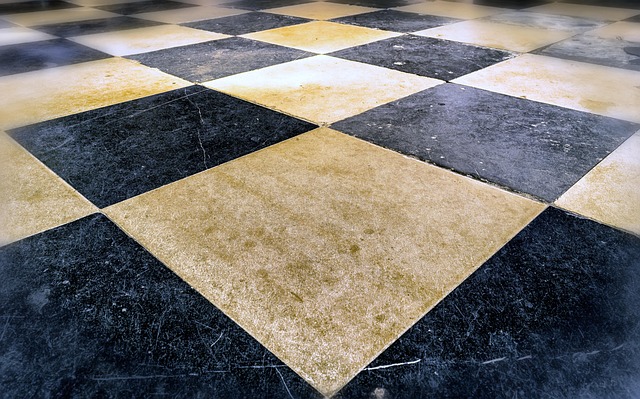
When considering ceramic tile flooring for your Denver home, understanding the maintenance and longevity aspects is crucial to budgeting effectively. While ceramic tiles offer durability and aesthetic appeal, their long-term performance hinges on proper care. In this section, we explore practical strategies to ensure your investment in flooring Denver stands the test of time.
Regular cleaning and sealing are essential solutions for maintaining your ceramic tile flooring. A simple routine involves sweeping or vacuuming to remove loose dirt followed by mopping with a mild detergent. For heavily trafficked areas, consider using a floor scrubber to deep clean periodically. Protecting your tiles from water damage is also vital; promptly address any spills or leaks to prevent staining and potential damage, which can be costlier to repair compared to linoleum alternatives.
Over time, ceramic tiles may accumulate minor damages like chips or cracks. The good news is that these issues are often easily reparable. Small chips can be filled with a matching tile compound, while larger cracks might require professional attention. Regular maintenance not only extends the life of your flooring Denver but also retains its initial beauty and value. By comparing care requirements with other materials, such as linoleum, you’ll appreciate the benefits of ceramic tile’s longevity. According to industry surveys, properly maintained ceramic tiles can last 25 years or more, making them a sound investment for any homeowner.
In navigating the world of Flooring Denver, this article has equipped readers with a comprehensive understanding of the pricing dynamics behind ceramic tile flooring. Key insights reveal that factors like tile type, size, design complexity, and installation method significantly influence costs. Understanding these variables is crucial for budgeting effectively. The variety of tile options available offers both aesthetic versatility and cost considerations, allowing homeowners to choose based on their preferences and budgets. Installation costs should be carefully estimated, factoring in labor and material expenses. Moreover, maintaining and ensuring the longevity of ceramic tile floors is essential, with regular care contributing to its durability. By considering these factors, Denver residents can make informed decisions, ensuring their flooring projects align with both their design visions and financial goals.